Interior Comfort & Pet Travel

Long-Term Van Storage: Moisture Control and Interior Preservation Tips
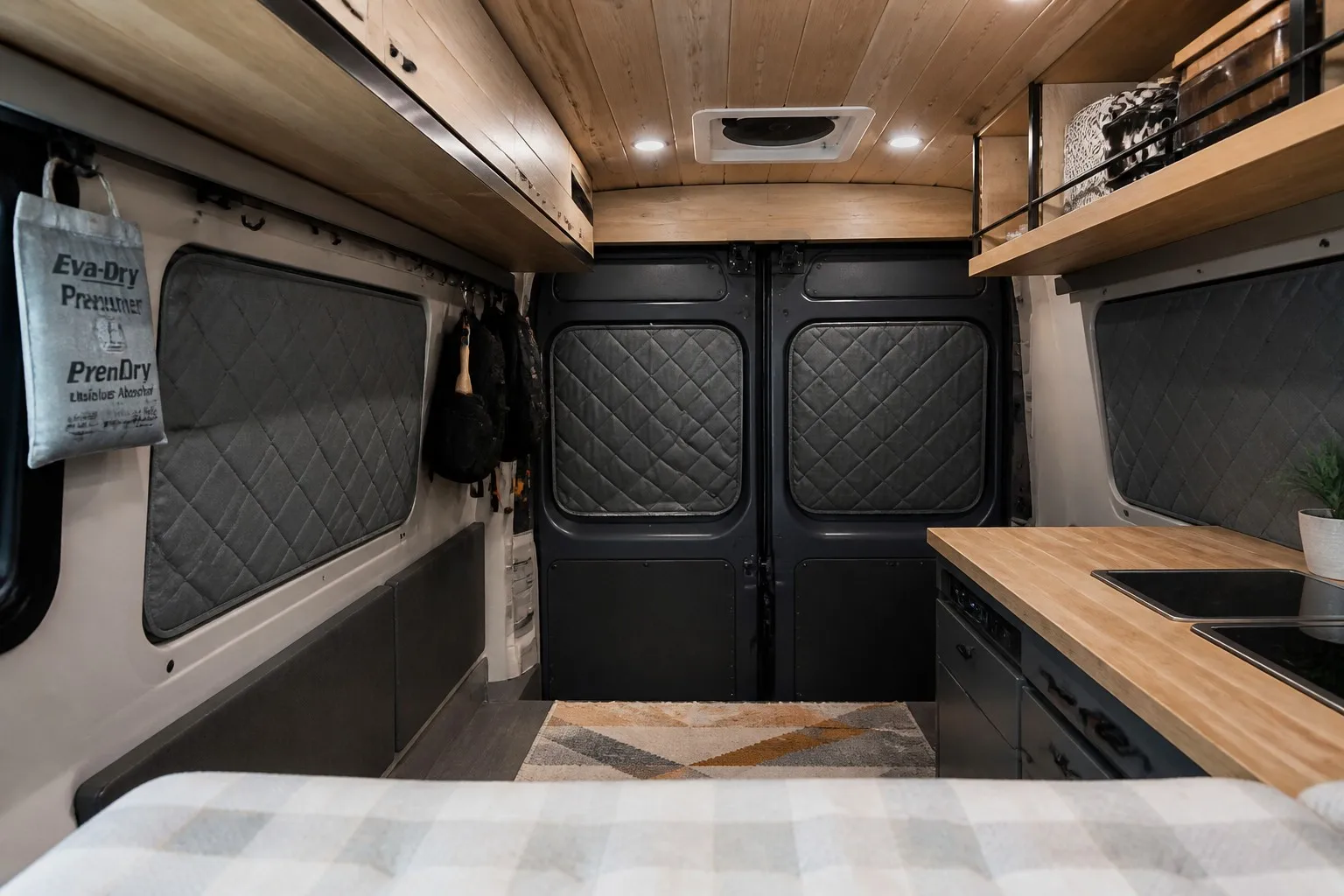
Long-Term Van Storage: Moisture Control and Interior Preservation Tips
For camper van enthusiasts and "van lifers," the interior is a sanctuary. However, when it's time to put the vehicle into long-term storage—whether due to seasonal changes or travel breaks—the interior becomes vulnerable to a silent enemy: humidity. Moisture buildup can lead to mold, mildew, and lingering odors that are incredibly difficult to remove. Proper preservation is about creating a controlled environment within your van.
The Threat of Mold and Mildew
Mold thrives in dark, damp, and stagnant environments. During storage, temperature fluctuations cause condensation to form on metal surfaces and windows. Without airflow, this moisture seeps into cushions, wood paneling, and insulation. Once mold takes root, it can damage structural materials and pose health risks.
Key Preservation Checklist
- Deep Clean Everything: Organic matter like food crumbs or spilled drinks are fuel for mold. Vacuum every corner and wipe down surfaces with a vinegar-based solution.
- Remove Textiles: If possible, remove bedding, towels, and clothing. If not, use vacuum-sealed bags to keep them dry.
- Prop Up Cushions: Lift seat cushions and mattresses to allow air to circulate underneath them.
Strategic Moisture Management
Managing humidity is the most critical part of interior preservation. We recommend a three-pronged approach:
- Desiccants: Place high-capacity moisture absorber buckets or hanging bags throughout the van. Check and replace them every 30 days.
- Ventilation: If storing in a secure, dry indoor facility, crack the roof vents slightly. However, if storing outdoors, vents should be closed to prevent pest entry, making desiccants even more vital.
- Window Insulation: Use custom-fit JK Insulation Covers on all windows. These covers don't just block light; their thermal properties help stabilize the interior temperature, significantly reducing the "dew point" effect that causes condensation.
Protecting Wood and Leather
If your van has custom woodwork or leather upholstery, dry air can be just as damaging as damp air. Extremely low humidity can cause wood to shrink and leather to crack. The goal is to maintain a relative humidity (RH) between 45% and 55%.
| Interior Material | High Humidity Risk | Low Humidity Risk | Preservation Tip |
|---|---|---|---|
| Natural Wood | Warping / Mold | Cracking / Splitting | Apply furniture wax before storage |
| Synthetic Leather | Mildew growth | Brittleness | Wipe with UV-protectant conditioner |
| Insulation Layers | Water retention | None | Seal window gaps with custom covers |
The Role of Custom Covers in Storage
While an exterior cover protects the paint, interior window covers are your last line of defense for the living space. By blocking 100% of light, you prevent the "greenhouse effect" from heating the van during the day and cooling it at night, which is the primary driver of condensation cycles. JK Covers' custom-fit engineering ensures no gaps, providing a complete thermal seal for your home on wheels.
0users like this.