The Protection Lab (Expert Insights)

Denier & Tear Strength: A Manufacturer's Guide to Textile Engineering
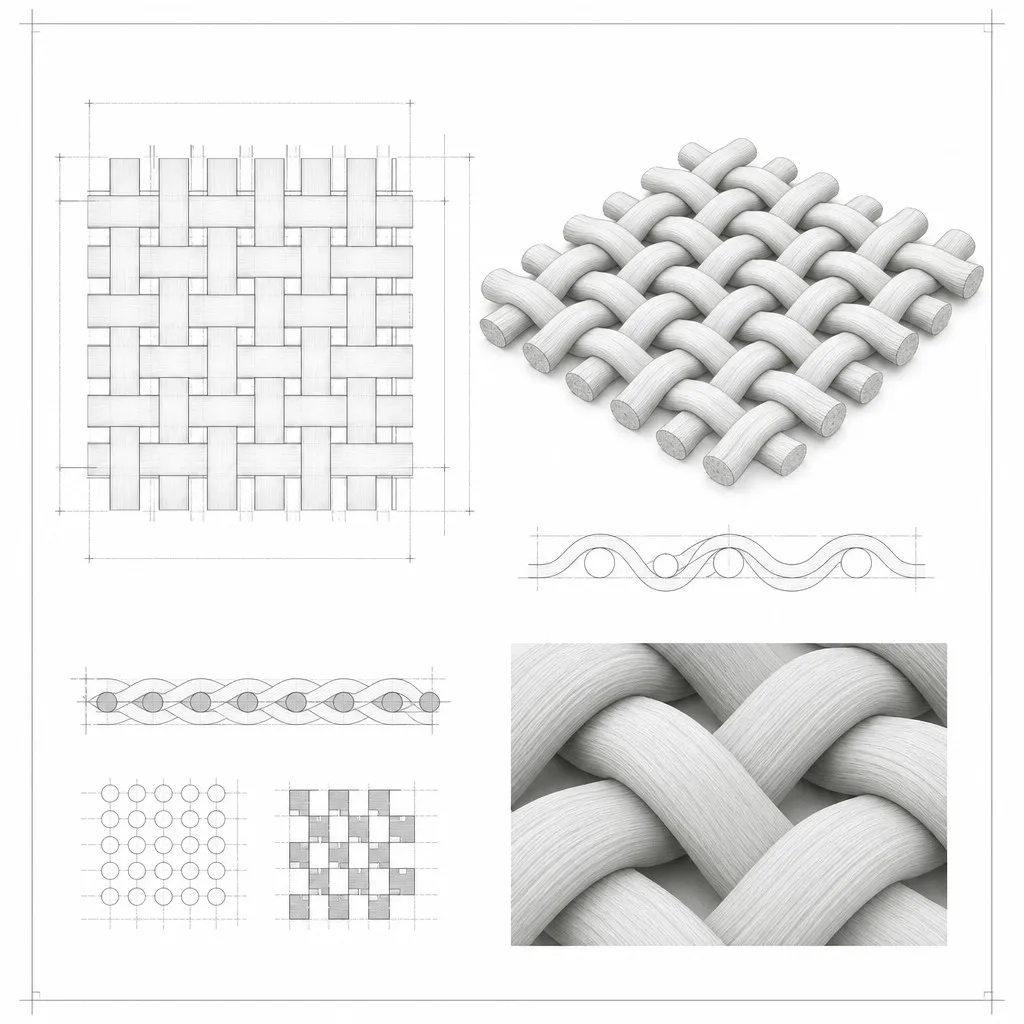
Reading a Fabric Specification Like an Engineer
A cover's specification sheet lists numbers — 600D, 210T, 180GSM — that look like a code. To a textile engineer, they are a complete engineering drawing of the fabric. When JK Covers takes an OEM project, the first deliverable is a precise fabric specification, because every downstream property — tear strength, waterproofing, UV life, drape, cost — is determined by these numbers. This guide decodes them so buyers and designers can compare fabrics on facts, not marketing adjectives.
Denier: The Fiber's Thickness
Denier is the weight in grams of 9,000 meters of a single yarn filament bundle. Higher denier = thicker yarn = more mass per meter. But denier alone does not tell the whole story. A 900D fabric from one mill can outperform a 900D from another, depending on filament count, yarn twist, and weaving quality. Think of denier as the size of the building blocks, not the strength of the building. See [Link to Article 55: 600D vs 900D Oxford Fabric] for the practical applications of each denier class.
Thread Count and GSM: The Fabric's Density
- Thread count (T): The number of warp and weft yarns per inch. "210T" or "300T" tells you how tightly the fabric is woven. Higher T means a denser, smoother, more wind-resistant surface — and better coating adhesion.
- GSM (grams per square meter): The fabric's total weight, the best single indicator of substance. Typical Oxford specs: 300D at ~90-120 GSM, 600D at ~180-220 GSM, 900D at ~250-320 GSM. GSM is the number that translates directly into cost and heft.
These three numbers interact: a 600D fabric woven at high thread count can feel and perform differently from the same yarn at a looser weave. The spec sheet must state all three.
Tear Strength: The Property That Actually Keeps Covers Alive
Here is the key insight: tensile strength and tear strength are different properties. Tensile strength measures how much force is needed to break a fabric by pulling it apart — relevant, but not what kills covers. Tear strength measures resistance to propagating a tear from a cut or puncture. Real-world failures — a snag on a mirror, a rip started by wind whipping — are tear failures. That is why our lab tests tear strength with the tongue tear method (ASTM D2261) and the Elmendorf pendulum method (ASTM D1424), reporting results in Newtons (N) or pounds-force.
Yarn density matters less to tear strength than you might think. The critical factors are:
- Yarn mobility: In an open weave, yarns can bunch together at the tear tip and share the load, resisting propagation. Paradoxically, very tight weaves can tear more easily because yarns cannot redistribute stress.
- Ripstop construction: Reinforcing yarns woven in a grid pattern — usually every 5-8mm — create "bump stops" that halt a tear before it runs across the panel.
- Coating contribution: A well-adhered coating distributes stress and adds measurable tear resistance; a brittle coating can initiate cracks. See [Link to Article 57: PU vs PVC Coatings].
- Seam and stitch quality: A fabric is only as strong as its weakest seam. Our sewing specifications — needle size, thread denier, and 8-12 stitches per inch — are engineered to match the fabric's tear strength.
Weave Architecture: Oxford vs Ripstop vs Twill
The weave pattern determines how yarns interlock and how stress flows:
- Oxford weave: A basket-like pattern where yarns pass over and under in groups, creating a textured, durable surface — the standard for covers.
- Ripstop: A grid of heavier reinforcing yarns woven into a lighter base — maximizes tear resistance per gram.
- Twill: A diagonal rib pattern offering high density and smoothness, often used in premium coated fabrics.
How JK Covers Engineers a Fabric Specification
Our process starts with the application, not the fabric. For a trailerable boat cover we specify high-denier, high-GSM Oxford with ripstop reinforcement and heavy coating. For an indoor showroom cover we drop denier, prioritize softness and drape, and skip waterproofing entirely — see [Link to Article 58: The Spandex 'Second Skin'] for the stretch-fit end of the spectrum. For desert markets we add UV-stabilized yarn packages verified by accelerated weathering, as detailed in [Link to Article 59: UV Degradation Test]. Each specification is a documented trade-off between tear strength, weight, cost, and environmental demands — and every batch is lab-tested before it ships.
What to Ask Your Supplier
When sourcing covers, demand the full specification: denier, thread count, GSM, tear strength in Newtons, hydrostatic head, and UV test data. If a supplier answers with only "600D Oxford," they are selling you a label, not an engineering document. JK Covers provides complete test reports with every OEM order — because informed buyers become repeat customers.
Specifying fabric for your next product? JK Covers engineers, tests, and manufactures custom fabrics to exact denier, GSM, and tear-strength targets. Contact our textile engineering team.
0users like this.